A recent article in the Guardian, ‘This is dangerous’: slime moulds and the bitter debate over the nature of intelligence‘ explores the intriguing and rather shocking scientific controversy that explores the idea that simple organisms might be considered “intelligent.” It is worth a look if only to see the fascinating videos of slime mold (U.S. spelling) apparently conquering a maze to find nutrient. (A-maze-ing!).
I am pretty skeptical that what they are observing can be legitimately described as intelligence. Just as I am doubtful that AI chatbots are demonstrating intelligence, as we know it. But this is a good example of how we humans in the age of AI are crashing head on against challenges to our notions of what is intelligence and consciousness. In his book, A World Appears: A Journey into Consciousness, Michael Pollen tells just how much our ideas about the potential consciousness of animals, even simple organisms, and even plants, have changed. Lobsters feel pain, trees communicate and plants reach out for sustenance. Plants? What can I eat now? Not even slime mold, i guess.
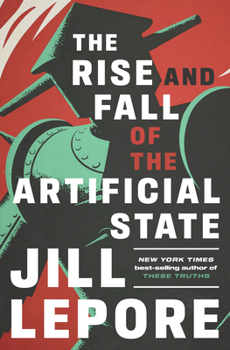
Jill Lepore just published a book, The Rise and Fall of the Artificial State. The central question she examines is “How did we cede control of our democracy to the machines, and can we get it back?” But on the way she delves deeper into fundamental questions about our relationship to things not human: machines, animals, and the natural world in general. She presents a sweeping review of world history, philosophy and art that tells us much about how we get here.
Here’s a YouTube interview with Jill about the book from the Barnes and Noble podcast.